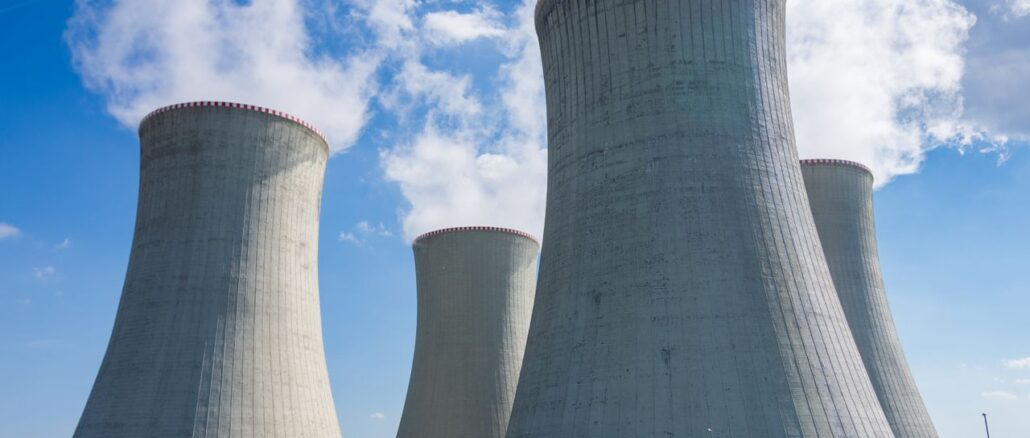
In a significant shift in US foreign policy, the United States has expressed openness to the development of Iran’s civilian nuclear programme. This development comes amid ongoing negotiations aimed at reviving the 2015 nuclear deal, formally known as the Joint Comprehensive Plan of Action (JCPOA). The announcement was made by US State Department officials during a press briefing in Washington D.C. earlier this week.
The US’s new stance is seen as a move to rebuild trust and foster cooperation after years of heightened tensions and economic sanctions following the US’s withdrawal from the JCPOA in 2018 under former President Donald Trump. The re-engagement with Iran over its nuclear programme is being carefully orchestrated to ensure that the nuclear activities are strictly for peaceful purposes, with robust oversight mechanisms in place.
While the US government has not specified detailed conditions, it emphasised the importance of transparency and adherence to international nuclear standards by Iran. The discussions are part of broader diplomatic efforts involving European allies, Russia, and China, all of whom were signatories to the original 2015 agreement.
The move has been met with cautious optimism globally, as it represents a potential thaw in relations between the US and Iran, offering a pathway to de-escalate conflicts in the Middle East and promote regional stability. However, the proposal also faces significant scrutiny and criticism from several US lawmakers who are concerned about Iran’s nuclear capabilities and regional ambitions.
Key Aspects of the US’s New Position on Iran’s Nuclear Programme
The terms of the renewed engagement with Iran involve stringent monitoring and verification by the International Atomic Energy Agency (IAEA) to ensure that all nuclear activities are peaceful. The US insists that Iran must comply with its obligations under the Treaty on the Non-Proliferation of Nuclear Weapons (NPT) and ensure full transparency in its nuclear undertakings.
Implications for Sanctions
Another critical aspect of the negotiations is the potential easing of sanctions on Iran. The US has suggested that sanctions relief could be part of the agreement if Iran demonstrates compliance with the terms set forth in any new or revised nuclear accord. This approach aims to incentivise compliance by Iran while providing relief from the economic hardships imposed by previous sanctions.
Global Reactions to the US’s Approach
The US’s decision to support Iran’s civilian nuclear programme has garnered a mixed response on the international stage. European allies, particularly Germany, France, and the United Kingdom, who have consistently advocated for a diplomatic solution to the nuclear issue, have welcomed the US’s initiative. However, countries like Israel and Saudi Arabia have expressed concerns about Iran’s potential to develop nuclear weapons capabilities under the guise of a civilian programme.
Impact on Regional Stability
Experts believe that easing tensions between the US and Iran could lead to better cooperation on other contentious issues in the Middle East, including the conflicts in Syria and Yemen. Improved US-Iran relations might also pave the way for more inclusive dialogue involving other regional players, potentially leading to greater overall stability in the region.
Historical Context of US-Iran Relations
The JCPOA, signed in 2015, marked a high point in US-Iran relations by lifting sanctions in exchange for Iran limiting its nuclear activities. The US’s withdrawal from the agreement in 2018 under President Trump led to a re-imposition of stringent economic sanctions on Iran, causing significant deterioration in bilateral relations and increasing regional tensions.
Challenges and Opportunities
The current efforts to revive or renegotiate aspects of the JCPOA present both challenges and opportunities. While there is potential for significant diplomatic achievements and improved US-Iran relations, the complexities of regional politics and historical mistrust pose substantial hurdles to any lasting resolution.
As these diplomatic efforts unfold, the international community remains keenly interested in the outcomes, which could significantly influence peace and security dynamics in the Middle East and beyond. The US’s openness to Iran’s civilian nuclear programme, under strict conditions, marks a potentially transformative moment in international relations, offering a glimmer of hope for a more stable and cooperative global order.
Be the first to comment