
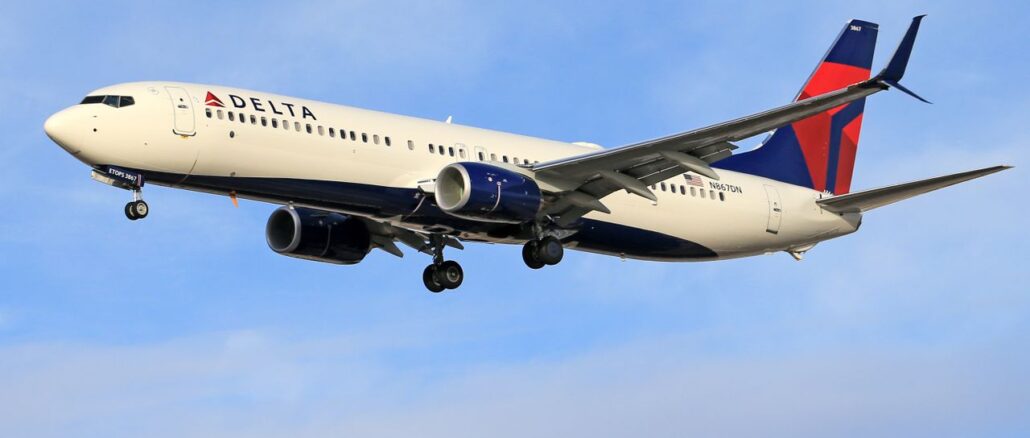
A Delta Air Lines flight en route from Atlanta to San Francisco was diverted to Denver after several passengers reported a mysterious odour onboard. The incident occurred on the afternoon of March 5th, leading to an unexpected landing at Denver International Airport. According to Delta Air Lines, the decision to divert the aircraft was a precautionary measure aimed at ensuring the safety and well-being of all passengers and crew aboard.
The Boeing 757, carrying 184 passengers and a crew of six, landed safely in Denver. Emergency services were prompt in their response, conducting a thorough examination of the aircraft to identify the source of the odour. Passengers were evacuated smoothly and no injuries were reported. The airline provided accommodations for the passengers and arranged for an alternative flight to help them reach their final destination.
Initial inspections by aviation engineers and safety experts have not yet identified the specific cause of the odour. Delta Air Lines has stated that they are conducting a detailed investigation in collaboration with aviation authorities to determine the root cause of the incident. The airline has also assured that they will take all necessary steps to prevent a recurrence of such an event in the future.
This incident has raised questions about the safety protocols and air quality standards on commercial airlines. It highlights the importance of stringent maintenance and safety checks in ensuring passenger safety during flights. Delta Air Lines has reiterated their commitment to upholding the highest safety standards and ensuring the trust of their passengers is maintained.
Potential Causes of In-Flight Odours
Unusual odours on aircraft can be attributed to several factors. These range from minor issues like sanitation fluid leaks to more serious concerns such as electrical faults or engine oil leaks. Each type of odour can indicate different potential risks, making it crucial for airline crews to recognize and respond appropriately to these signs.
Impact of Odours on Aviation Safety
The presence of strange odours on aircraft is not just a comfort issue but a potential indicator of underlying mechanical or electrical issues. Such situations demand immediate attention as they can escalate into more serious problems affecting the safety of flight operations. Airlines, therefore, have protocols in place to handle reports of unusual smells swiftly and efficiently.
Delta Air Lines’ Response and Passenger Care
Following the report of the mysterious odour, Delta Air Lines’ crew followed established safety protocols which included diverting the flight to the nearest airport. This swift decision reflects the airline’s priority for passenger safety over logistical considerations. Post-landing, the airline managed the situation by providing necessary assistance to passengers affected by the diversion.
Support and Compensation for Affected Passengers
Delta Air Lines ensured that all passengers were accommodated and rerouted at the earliest. The airline’s response included offering meals, accommodation, and rebooking on the next available flights. Such measures are part of Delta’s customer service policy to maintain trust and provide care to passengers in unexpected situations.
Investigation and Preventive Measures
The investigation into the incident involves several key stakeholders including aviation engineers, safety experts, and national aviation authorities. These entities work collaboratively to uncover the cause of the odour and to implement measures to prevent such incidents. The findings of the investigation will likely contribute to broader safety protocols across the industry.
Future Safety Enhancements by Delta Air Lines
In response to this incident, Delta Air Lines may consider reviewing and enhancing their aircraft maintenance and inspection routines. Enhancements could include more frequent inspections, advanced diagnostic technologies, and rigorous training for crew members on handling in-flight emergencies. Such proactive measures could significantly mitigate risks and enhance safety for all passengers and crew.
The incident involving Delta Air Lines flight 757 has brought to light the challenges and imperative measures needed to ensure air safety and passenger well-being. As investigations continue, the aviation industry remains focused on learning from such incidents to improve overall safety standards.
Be the first to comment