
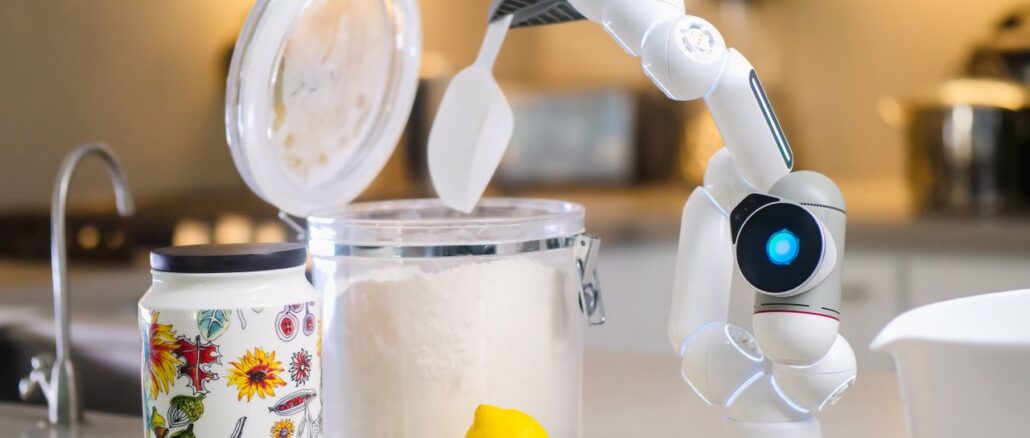
One machine can make 500 burrito bowls, salads, and poke bowls an hour. A human worker makes roughly 30 to 45. That gap is the business case Marc Lore is building Wonder around. Fortune reported that Lore unveiled the system recently. A turntable spins each bowl…
In a recent unveiling that could revolutionize the culinary industry, Marc Lore, an entrepreneur known for his innovative approaches to e-commerce, has introduced a new robotic system under his latest venture, Wonder. This system promises to dramatically increase kitchen productivity by outperforming human capabilities in preparing popular dishes such as burrito bowls, salads, and poke bowls.
Understanding the Technology
The core of Wonder’s technological breakthrough lies in its robotic system designed to automate the preparation process of complex meals. The featured robot can produce up to 500 meals per hour, a stark contrast to the 30-45 meals human workers can prepare in the same amount of time. This efficiency is achieved through a sophisticated assembly line setup powered by advanced robotics and artificial intelligence (AI).
The system utilizes a turntable mechanism that facilitates the rapid assembly of ingredients. Each ingredient is precisely measured and dispensed, ensuring consistent quality and taste. Moreover, the robot is equipped with sensors and AI algorithms that allow it to adapt to variations in ingredient size and quality, making real-time adjustments during meal preparation.
Implications for the Culinary Industry
The introduction of such advanced technology in the kitchen could have far-reaching implications for the culinary industry. First and foremost, the increase in efficiency could lead to significant cost reductions for food preparation businesses, potentially lowering prices for consumers and increasing accessibility to high-quality meals.
However, the shift towards automation also raises questions about the future of employment in the culinary sector. With robots capable of outperforming humans in efficiency and consistency, the role of human workers in kitchens may need to be reevaluated. While some jobs may be displaced, new opportunities in robot maintenance, programming, and system management could arise as the technology proliferates.
Economic and Social Considerations
The economic impact of robotic kitchen assistants extends beyond mere cost savings. By reducing the reliance on human labor, businesses can achieve more predictable and consistent output. This reliability can help restaurants and food providers to scale operations without some of the traditional barriers associated with workforce management and training.
Socially, the adoption of such technology could lead to shifts in the job market. As routine and repetitive tasks are automated, the demand for skilled labor in technology and management roles within the culinary industry is likely to increase. This transition may require a rethinking of training and education programs to prepare workers for the changing landscape.
Public and Industry Response
The response to Wonder’s robotic system has been mixed. While many industry professionals admire the technological achievements and potential benefits, others express concern about the impact on traditional cooking roles and the impersonal nature of automated meal preparation.
Some culinary experts argue that the art of cooking involves intuition and a personal touch that machines cannot replicate. They worry that the widespread adoption of such technology could diminish the cultural and artistic value of culinary practices that have been honed over centuries.
Consumer Acceptance
The ultimate test for Wonder’s robotic system will be consumer acceptance. Early indicators suggest that consumers are intrigued by the novelty and potential cost savings of robot-prepared meals, but long-term acceptance will depend on taste, quality, and the dining experience.
Surveys and market studies are currently underway to gauge consumer reactions to meals prepared by Wonder’s robotic system. Preliminary results indicate a curiosity and openness to the technology, especially among younger demographics more accustomed to technological integration in their daily lives.
Looking Ahead: The Future of Robotic Kitchens
As Wonder continues to refine and expand its robotic system, the potential for broader adoption looks promising. The company plans to implement AI improvements that will enhance the robot’s ability to learn from feedback and refine its meal preparation algorithms accordingly.
Moreover, Marc Lore envisions a future where robotic kitchens not only improve efficiency but also help reduce food waste through more precise ingredient handling and storage. This could have significant environmental benefits, aligning with global efforts to combat food waste and promote sustainability.
The Road Ahead
The journey towards a robotic-dominated kitchen is not without challenges. Regulatory hurdles, technological advancements, and shifts in consumer behavior all play crucial roles in the widespread adoption of this technology. However, as systems like Wonder’s continue to evolve and demonstrate their value, the culinary world stands on the brink of a new era dominated by efficiency, precision, and innovation.
In conclusion, while the robotic revolution in the kitchen presents challenges, its potential to transform the culinary industry is undeniable. As we navigate this transition, the balance between technological advancement and the preservation of culinary artistry will be key to achieving a future where technology and tradition coexist harmoniously.
Be the first to comment